Home Battery Storage Installers in the UK
Solar Base Energy matches you with MCS-certified home battery storage installers across the UK, free of charge. A battery stores spare solar power for the evening. With the right setup, it can also keep key circuits live in a power cut.
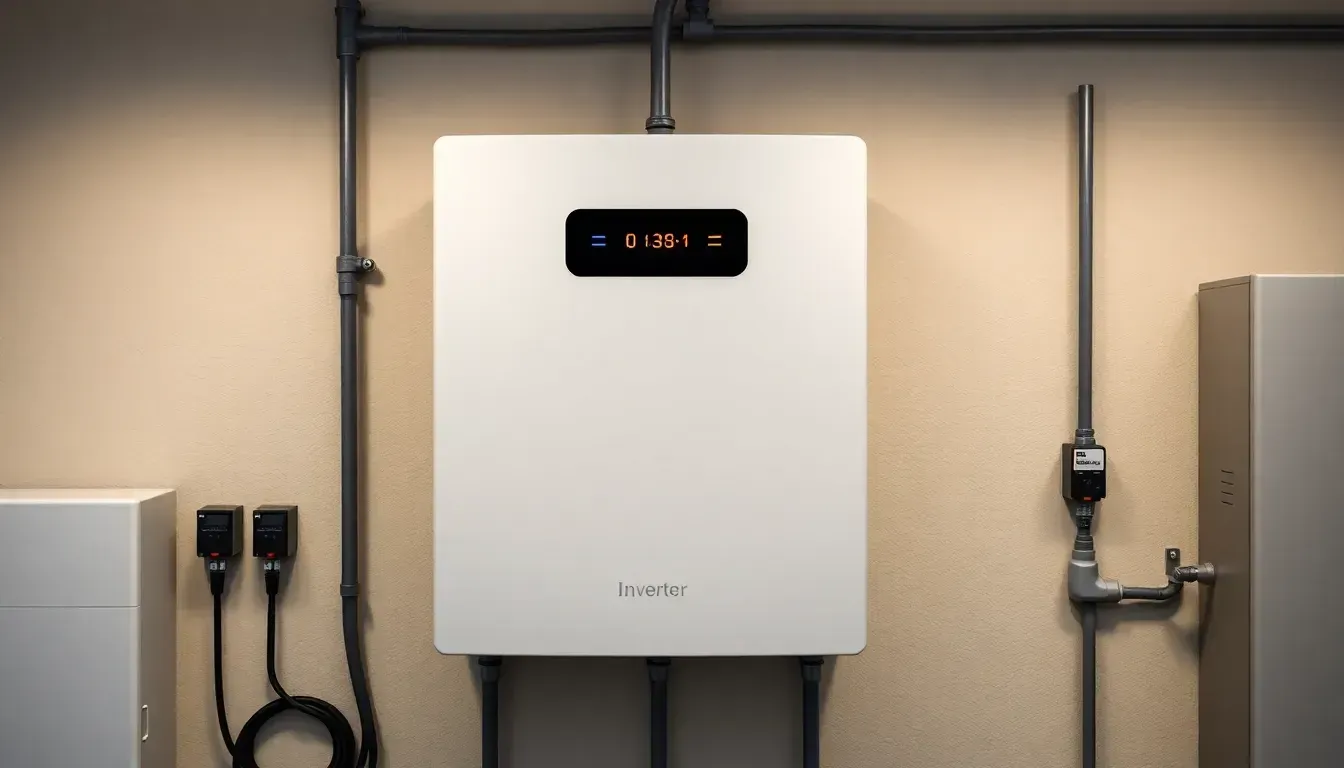
What home battery storage does
A home battery stores electricity until you need it. Most households charge it from solar panels during the day and use it after dark. Because demand peaks in the evening, a battery moves your own power to the hours when you use most.
Some homes also charge the battery from the grid overnight, when power costs less. For example, a time-of-use tariff can fill the battery at night and cover the morning peak. Our page on smart tariff and export optimisation explains how that works.
How a battery system works
The battery sits beside an inverter, which turns stored direct current into mains power for your home. A hybrid inverter can manage both the panels and the battery. In contrast, an AC-coupled battery has its own inverter, so it often suits homes that already have solar.
A control unit decides when to charge and when to release power. Your installer sets the rules, such as keeping some charge back for the evening. Meanwhile an app shows what the system is doing, and our page on smart energy monitoring covers that side.
Who a home battery suits
A battery suits homes that use most of their power in the evening. It also suits homes whose panels export a lot at midday. For example, households that are out all day and home at night often gain the most.
A battery is a weaker fit if you use little power or cannot charge it cheaply. Similarly, a small roof may never fill a large battery. Our guide asking are solar batteries worth it helps you weigh up your own case.
If you already own panels, you can add storage later. However, the choice depends on your inverter and how the system connects. Read how to add a battery to existing solar before you ask for quotes.
Retrofit or new system
A retrofit adds a battery to a working solar system. A new install fits panels and battery together. Because a retrofit reuses your panels, the job is smaller.
However, a new system lets the installer match each part from the start. Our page on solar and battery bundles covers that route. Either way, an MCS-certified installer should survey your home first.
What home battery storage costs
Prices depend on capacity, brand and the wiring. Which? reported in August 2026 that Ovo advertises batteries from around £2,500 and EDF Energy from £3,995. These are starting prices, since a quote for your home may differ.
Fitting a home battery is currently VAT-free at 0%, including when it goes in on its own without solar. That relief runs until 31 March 2027. From 1 April 2027 the rate is due to revert to 5% under current legislation. Therefore timing matters if you are close to a decision.
Capacity is the main cost driver, followed by the inverter type and the installation work. For instance, changing an inverter during a retrofit can add cost. Our guide to the best solar batteries in the UK compares popular models.
Standards and rules that apply
MCS is the UK quality mark for installers and products. Its installers work to MIS 3012 for home batteries and MIS 3002 for solar panels. Additionally, you need MCS certification to claim Smart Export Guarantee payments.
Battery siting follows PAS 63100, a BSI specification for fire protection in homes. It points to outdoors or a garage where practical. However, batteries should not go in bedrooms or on escape routes.
Electrical work in a home must meet building regulations. A registered installer normally handles the paperwork and gives you the certificates. In Scotland a building warrant may apply instead. Therefore ask early.
Planning rules for batteries depend on the size and position of the unit. Therefore ask your installer or your council before work starts.
What a good battery quote should list
A good quote is specific about what you are buying, because that makes quotes easy to compare. It should name the battery model, its usable capacity and the inverter. It should also state the warranty terms in writing.
- Usable capacity in kWh, beyond the headline figure.
- Inverter type, and whether the setup supports backup in a power cut.
- Where the battery will sit and how it meets PAS 63100.
- The installer's MCS details, the warranty and the payment schedule.
Compare at least three quotes on the same basis. Additionally, check each installer on the MCS website. Installers who are RECC members follow a code that says deposits should be no more than 25% of the contract price.
Battery storage across the UK
Sunshine varies by region, and so does the work a battery has to do. The EU's PVGIS tool models a 4 kWp array at about 4,167 kWh a year in Cardiff, against 3,410 kWh in Glasgow. Brighton comes out higher still, at about 4,624 kWh.
We arrange installs UK-wide. Browse battery installers serving Cardiff, home battery options in Glasgow and solar and battery quotes in Brighton for local detail. Our solar and battery bundles page covers new systems, while off-grid and power-cut backup covers resilience.
How our matching works
Solar Base Energy is a free matching service, although we do not install batteries ourselves. We match you with an MCS-certified installer who can quote for your home.
You fill in one short form and tell us about your roof and any panels you already own. You then receive a no-obligation quote. Since there is no obligation, you are free to compare it with others.
Sources
Frequently asked questions
How does home battery storage work? +
A battery stores electricity from your panels or the grid and releases it when you need it. An inverter converts the stored power for use in your home. Your installer sets the charging rules because each home uses power differently.
Can I add a battery to solar panels I already have? +
Yes, most existing systems can take a battery after a compatibility check. However, the answer depends on your inverter and how the panels connect. Our retrofit guide sets out the options.
Will a battery keep my home running in a power cut? +
Only if the system is designed for backup. Many battery installs do not supply power during an outage. Therefore ask your installer about backup before you sign.
Does a battery affect my Smart Export Guarantee payments? +
No, you can still export spare solar and earn SEG payments. Your system must be MCS-certified and you need a smart meter or other half-hourly export meter. Each supplier sets its own rate, so compare tariffs.
Is battery storage VAT-free? +
Home batteries are currently VAT-free at 0%, including ones fitted on their own without solar. However, the relief runs until 31 March 2027. From 1 April 2027 the rate is due to revert to 5% under current legislation.
Get a battery storage quote
Tell us about your roof, your current setup and your evening usage. Because the service is free, you can compare the quote with others.
Get Your Free Quote