Tesla Powerwall 3 in the UK: Alternatives
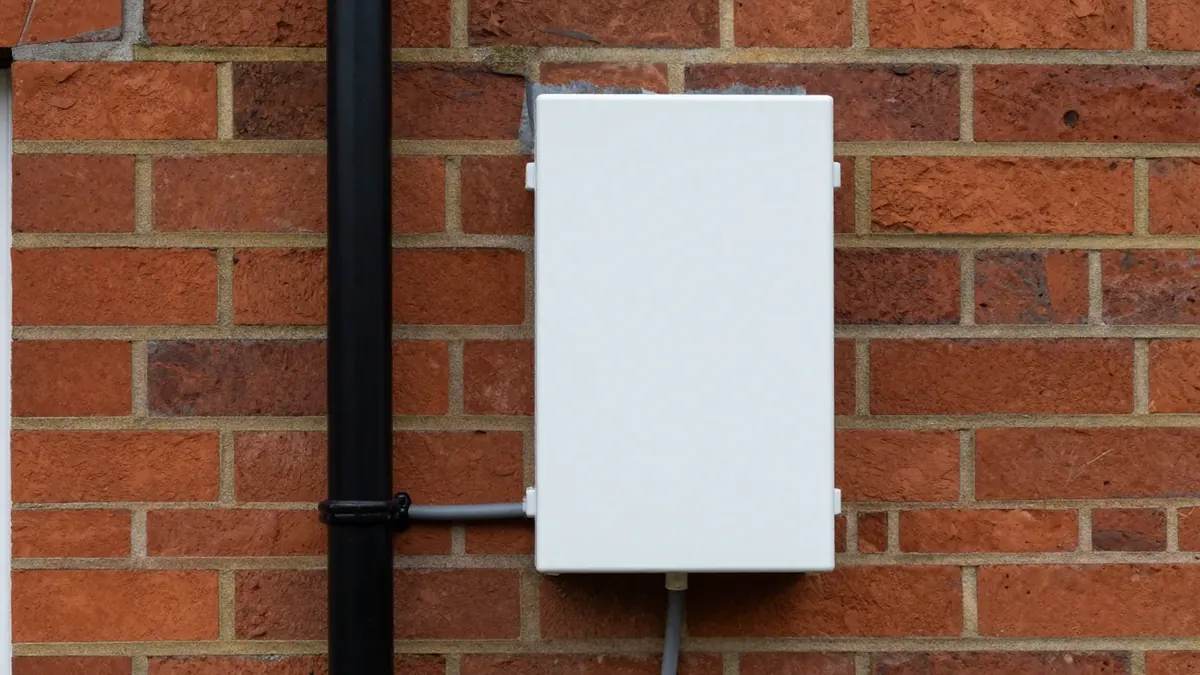
The Tesla Powerwall 3 UK model is a home battery with 13.5 kWh of usable storage and a built-in solar inverter. It suits homes that want one unit for panels and storage. However, it is not the only choice, so compare it with other batteries on usable kWh, power, warranty and installer support.
What the Powerwall 3 is
The Powerwall 3 is a wall-mounted home battery from Tesla. According to Heatable’s UK review, it uses lithium iron phosphate cells and offers 13.5 kWh of usable capacity. Reviewers also describe a built-in hybrid solar inverter.
That inverter is the main change from earlier designs. Because it sits inside the unit, a new install can need fewer boxes on the wall. As a result, the layout can look tidier, although the right choice still depends on your roof.
We have not tested it, and we do not sell it. Our job is to help you ask good questions, then match you with an MCS-certified installer who can quote.
The specs worth knowing
Published specs vary between sources, so treat any single number with care. The points below are the ones sources agree on. Still, check the current datasheet with your installer before you decide.
| Feature | What reviews report |
|---|---|
| Usable capacity | 13.5 kWh |
| Cell type | Lithium iron phosphate |
| Inverter | Built-in hybrid solar inverter |
| Solar inputs | Three MPPT inputs |
| Warranty | 10 years, with unlimited cycles |
Sources differ on the continuous power rating and on the capacity the warranty guarantees after ten years. Therefore ask for both figures in writing. Specifically, find out what share of capacity the maker promises at year ten.
Where it fits best
A 13.5 kWh unit is large for many homes. Households with high evening use, an electric car or a heat pump may fill it. In contrast, a small home with low demand might never use that much stored energy.
Size also depends on your panels. A battery only pays back if your roof can refill it, because an empty battery saves nothing. Therefore check your solar output before you pick a large unit.
Our guide on what size solar battery you need shows the method. Work out your evening use first. After that, see whether one large unit or a smaller battery makes more sense.
Backup power during an outage
Many solar and battery systems switch off during a power cut. Backup is an extra feature, so ask your installer whether the system you are quoted includes it. Reviews say the Powerwall needs gateway or backup switch hardware for whole-home backup.
Backup also depends on which circuits you want to keep running. For example, a fridge and lights are easy to cover, while an electric shower is harder. Our guide to off-grid solar battery backup explains the choices.
How to compare it with alternatives
Treat the Powerwall 3 as one option on a shortlist, because no single battery wins for every home. Ask matched installers to price two or three other home batteries on the same terms. Then compare the same points for each.
Start with usable capacity, because it sets how much evening demand you can cover. Next, check the continuous power, since it limits how many appliances run at once. Finally, compare the warranty terms and the support you get after the install.
Inverter design matters as well. A built-in inverter suits a new system. However, if you already own panels with a working inverter, a separate AC-coupled battery may be easier to add.
Tariffs and the value of a large battery
A big battery earns more when it can charge cheaply and discharge at peak times. That is why a time-of-use tariff helps. Our explainer on Octopus battery storage and smart tariffs shows how to read the terms.
Rates change often, so do not rely on a single figure. Check the supplier’s page for the current rate before you choose. Meanwhile, compare the battery on cost per usable kWh rather than the headline price.
Cost, VAT and grants
We do not quote a Powerwall price because installed cost depends on the home, the gateway and the work needed. Compare at least three quotes. Ask each one to itemise the battery, the installation and any extras.
Home batteries are currently VAT-free (0%) until 31 March 2027, including ones fitted on their own. From 1 April 2027 the rate is due to revert to 5% under current legislation. Most homeowners do not qualify for grants. Read our guide on whether you can get free solar panels before you rely on one.
Adding a Powerwall 3 to panels you already own
Many buyers already have panels and want to add storage. In that case the built-in inverter is a mixed blessing. It may duplicate an inverter you already have, so the design needs care.
Your installer should check the age of your inverter and your MCS paperwork. Additionally, they should explain which parts of the old system stay and which go. Because every roof differs, ask for the plan in writing.
What a good quote lists
A clear quote names the exact battery model and the usable capacity. It also lists the gateway or backup hardware, the cabling and the monitoring. Moreover, it states who notifies your network operator, since larger connections need approval.
Look for the warranty terms and the installer’s own workmanship cover. Also ask whether your deposit is protected, since that matters if the firm fails. If the installer belongs to a consumer code such as RECC, ask them to confirm how it applies to you.
Siting and safety
Where a battery goes matters because it affects safety. PAS 63100 is a BSI specification for fire protection of home energy storage. It advises outdoor siting where practicable and keeps batteries out of bedrooms and escape routes.
Ask your installer where the unit will go and why. Moreover, ask how they follow the standards for batteries and the IET code. Our guide on what MCS certified means explains how to check an installer.
What your home type means
Housing affects which battery you can fit. In London, 54.0% of households live in flats, according to the 2021 Census. Therefore solar and battery installers in London often start with shared roofs and cupboard space.
Meanwhile, the Greater London Authority runs Solar Together London, a group-buying scheme for panels and batteries. Check whether a round is open before you compare quotes. In Birmingham, the council lists 29 conservation areas, so battery installers serving Birmingham may check planning rules for external units.
Leeds has 80 conservation areas, which is the most of any city in our research. Therefore, if you live in one, ask solar battery installers in Leeds about visible equipment. In Southampton, 41.5% of households are in flats, so home battery options in Southampton often depend on who owns the roof.
Who might look at alternatives
The Powerwall 3 is a large, integrated unit. Some households may prefer something different. For example, a small flat with low demand may need a smaller battery.
Others want a unit that works with an inverter they already own. Alternatively, you may want a brand your installer knows well. Installer experience matters, although you should still compare the warranty terms for each option.
Questions to ask before you sign
Put the same questions to every installer. First, what is the usable capacity and the continuous power? Second, does the price include a gateway or backup switch?
Third, how long is the warranty, and what capacity does it guarantee? Fourth, who handles a fault after the install? Because the answers shape the true cost, write them down and compare.
Next steps
Start with the services that match your plan. Read about home battery storage installers if you want a battery alone. If you also need new panels, see our solar and battery bundles.
Tell us about your home through the free quote form. We match you with an MCS-certified installer, and there is no obligation to proceed.
Sources
Frequently asked questions
Does the Powerwall 3 include a solar inverter? +
Reviewers describe the Powerwall 3 as having a built-in hybrid solar inverter. That can remove the need for a separate inverter on a new system. Ask your installer how it would work with any panels you already have.
Will the Powerwall 3 keep my lights on in a power cut? +
Many solar and battery systems switch off during a power cut. Backup is an extra feature, and reviews say the Powerwall needs gateway or backup switch hardware for it. Ask your installer whether your quote includes backup.
Is the Powerwall 3 the best home battery? +
Not automatically. The best battery is the one that suits your evening use, your roof and your budget. Compare it with two or three alternatives on usable kWh, power, warranty and installer support.
Do I need an MCS-certified installer for a Powerwall 3? +
If you also fit solar panels and want Smart Export Guarantee payments, the system must be MCS-certified. MCS installers also follow the MIS 3012 standard for home batteries.